
| Home | About Us | Contact Us | Reservation| Email |
Tourism of India |
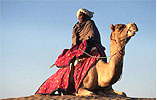
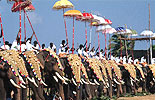
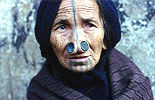
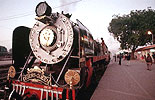
India is a vast country and its physical boundries are spread far and wide. This mystic land is blessed with diverse climatic conditions and varied geographical patterns. India is mainly talked in terms of North India and South India as there are marked differences between South and North. |
|
     |
| India Tour Packages | Rajasthan Tour Packages | Indian Wildlife Tours | Kerala Tour Packages |
| Tribal
Experiences Leh Ladakh Adventure |
Camel
Safari Tour Pushkar Fair Tour |
Wildlife Tour of India Wildlife and Beaches of Kerala |
Kerala
Wildlife Tour Exotic Kerala Tour |
| More Indian Tour Packages.. | More Rajasthan Tour Packages.. | More Wildlife Tour Packages.. | More Kerala Tour Packages.. |
| Goa Tour Packages | Taj Mahal Tour Packages | Indian Pilgrimage Tours | Short Tour Packages |
| Taj & Beaches Heritage of Gujarat with Goa |
Taj
Mahal with Golden Triangle Taj Mahal With Rajasthan |
Chardham
Yatra Vaishno Devi Yatra |
Delhi - Ranthambore Delhi Golden Triangle Tour |
| More Goa Tour Packages.. | More Taj Mahal Tour Packages.. | More Pilgrimage Tour Packages.. | More Short Tour Packages.. |
| Indian Wildlife Resorts | Indian Wildlife Parks | Luxury Hotels in India | Indian Adventures |
| Indian Monuments | Indian Festivals | Indian Luxury Trains | Taj Mahal Agra |
| North India Travel Guide | South India Travel Guide | East India Travel Guide | West India Travel Guide |